

If you got any questions, please do not hesitate to send us a message. We reply within 8 hours !
Don't worry, we hate spam too!



MAKE A BETTER LIFE

Sep 22, 2026
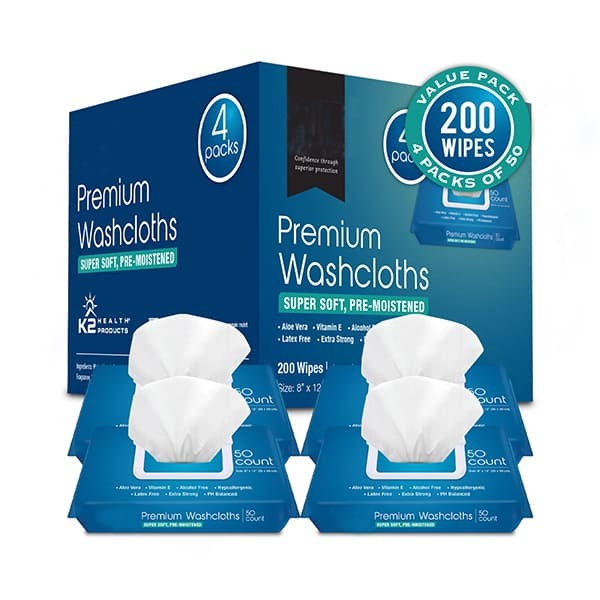
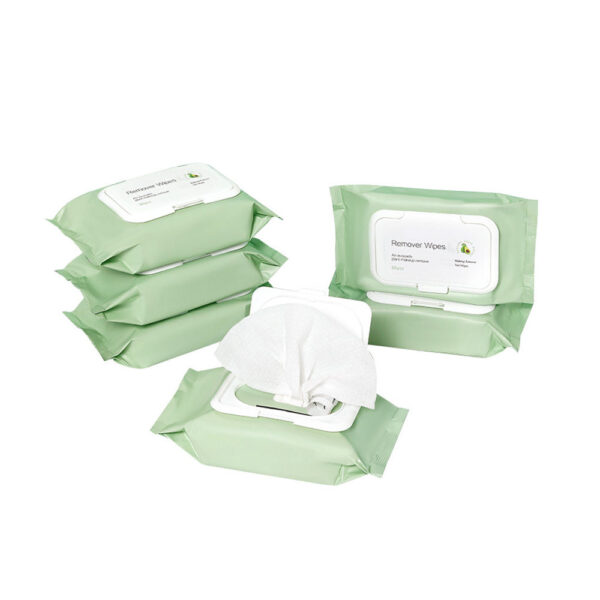
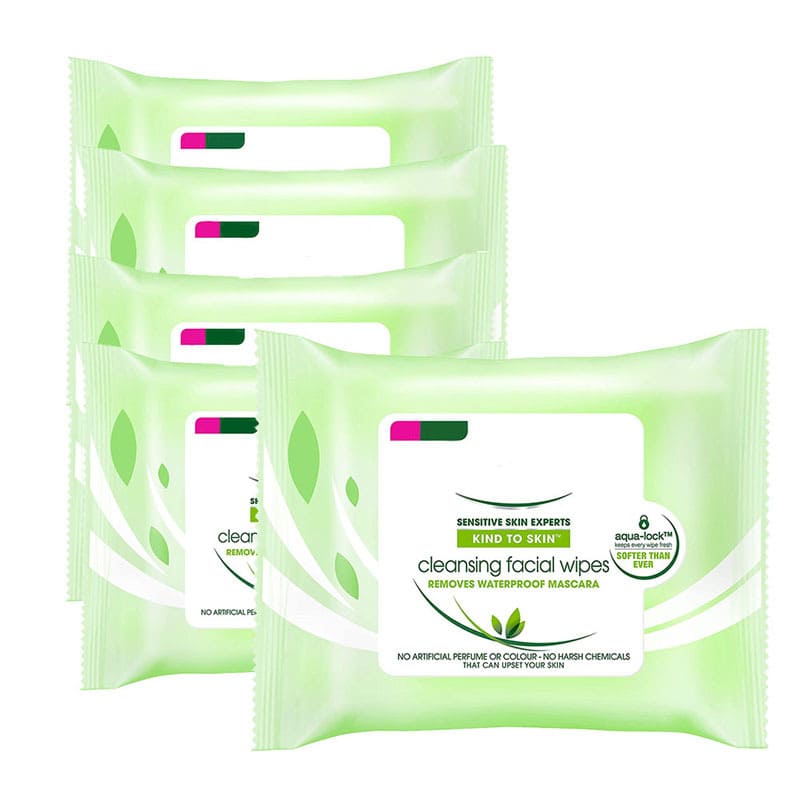
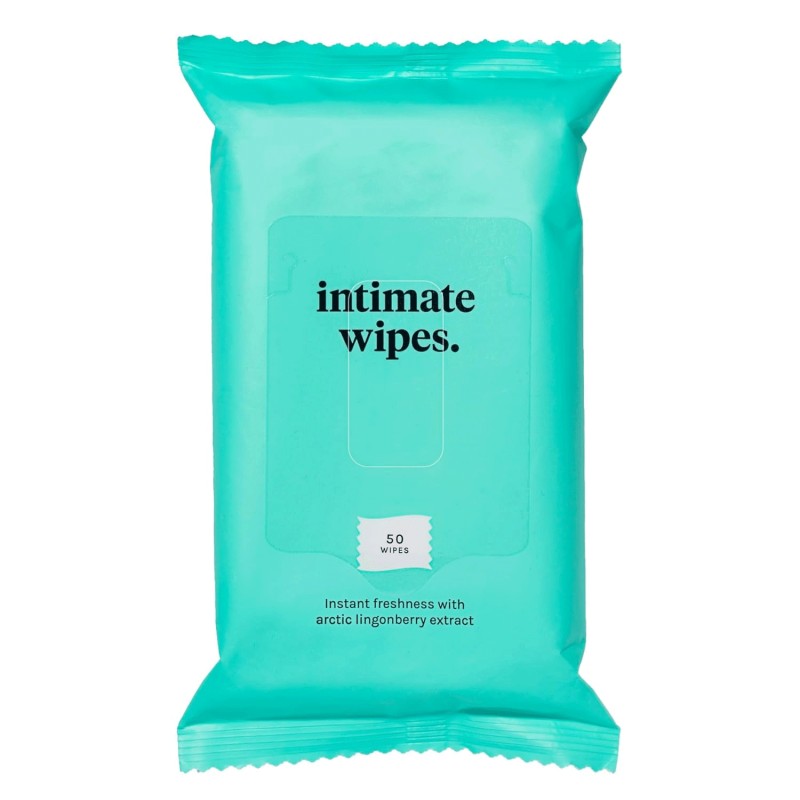
Consumers are changing how they cleanse their skin. They want effective skincare that fits into commuting, travel, gym sessions, parenting, and fast evening routines—but many brands still struggle to provide a product that combines convenience, skin compatibility, reliable quality, and strong shelf appeal. This gap explains Why Is Private Label Facial Cleansing Wipes a Growing Business Opportunity? If a retailer or beauty company ignores this shift, it may lose customers to brands offering more portable, hygienic, and personalized cleansing formats. Worse, poor-quality wipes can cause dryness, irritation, leakage, microbial contamination, negative reviews, and costly product recalls. At Qimei, we view private label Facial Cleansing Wipes not simply as a disposable commodity, but as a controlled skincare product requiring formulation development, substrate engineering, validated preservation, compliant packaging, and consistent manufacturing.
The opportunity comes from the convergence of several consumer and commercial trends:
Facial Cleansing Wipes solve a clear user problem: traditional cleansing routines are not always practical outside the home. However, customers no longer accept a wipe that merely removes surface makeup. They expect a soft substrate, low-lint performance, effective cleansing, pleasant sensorial properties, resealable packaging, and ingredients aligned with their skin concerns.
This makes Why Is Private Label Facial Cleansing Wipes a Growing Business Opportunity? an important strategic question for distributors, cosmetic brands, supermarkets, hotels, and contract buyers.
A successful private label product begins with the actual problems consumers experience:
Lack of time
Long commutes, irregular working hours, and busy family schedules encourage simplified cleansing routines.
Limited access to water
Travelers, gym users, festival attendees, and outdoor consumers often need cleansing options that work without a sink.
Skin discomfort
Products containing excessive fragrance, harsh surfactants, or unsuitable preservatives may cause tightness, redness, or irritation.
Makeup and sunscreen residue
Modern consumers use long-wear foundation, waterproof mascara, tinted sunscreen, and high-SPF products that require effective removal.
Packaging inconvenience
Drying packs, weak adhesive labels, poor dispensing openings, and bulky formats reduce repeat purchase rates.
Unclear product positioning
Consumers want to know whether a wipe is suitable for oily, dry, sensitive, acne-prone, mature, or combination skin.
Private label allows a company to address these problems with a product developed for a defined target audience rather than selling a generic wipe with limited differentiation.
Convenience is no longer limited to product size. A premium wipe must provide:
For a brand owner, these requirements create opportunities to improve the entire user experience. Qimei can help buyers select nonwoven substrates, lotion systems, folding methods, pack formats, and closure designs based on the target market.
Consumers increasingly examine ingredient lists and product claims. They may look for formulations that are:
These claims must be supported by appropriate formulation records and testing. A private label Facial Cleansing Wipes project should therefore begin with a clear product specification, including target skin type, intended claims, pH range, preservative system, fragrance profile, and regulatory market.
A formula designed for sensitive skin, for example, may require a lower-irritation surfactant system and additional compatibility testing. A makeup-removing product may need a different emulsion structure to dissolve oil-soluble pigments while maintaining a non-greasy after-feel.
Selling an established mass-market wipe may generate volume, but it does not always create brand loyalty. Private label manufacturing gives retailers greater control over:
This is a central reason Why Is Private Label Facial Cleansing Wipes a Growing Business Opportunity? A retailer can create a product specifically for its own customer base instead of competing only on price.
At Qimei, we recommend managing the project as a complete product-development workflow rather than treating manufacturing as a simple packaging order.
We first clarify:
A travel retail pack may require 10 or 15 wipes, while a family or daily-use pack may contain 25, 30, or 60 wipes.
The nonwoven substrate affects softness, strength, absorbency, lotion release, biodegradability, and disposal characteristics. Available options may include spunlace, airlaid, plant-fiber blends, bamboo-based materials, and other engineered nonwovens.
Important technical parameters include:
For premium facial applications, substrate softness and low-lint behavior are particularly important because repeated rubbing can make the cleansing experience uncomfortable.
The lotion is the functional core of Facial Cleansing Wipes. It may include purified water, mild cleansing agents, humectants, emollients, botanical extracts, skin-conditioning ingredients, and a validated preservative system.
A professional evaluation should include:
For cosmetic products, microbial quality is commonly evaluated with methods aligned with ISO 17516, while preservative efficacy may be assessed according to ISO 11930. Good Manufacturing Practice should follow ISO 22716 principles where applicable.
Packaging determines whether the wipes remain usable throughout the product’s shelf life. Common formats include flexible flow packs, soft packs with adhesive labels, hard-lid packs, travel sachets, and multipacks.
Qimei can support packaging controls such as:
Packaging materials should also be reviewed for regulatory labeling, recyclability claims, transport conditions, and compatibility with the formula.
The commercial value of a private label wipe depends on consistency. One dry pack, leaking carton, or irritating batch can damage customer trust far beyond the value of the individual unit.
A robust quality-control program may include:
| Control Point | Example Evaluation | Business Benefit |
|---|---|---|
| Raw materials | Certificate of analysis and incoming inspection | Reduces variation |
| Nonwoven substrate | Basis weight, tensile strength, softness | Supports reliable user experience |
| Lotion | pH, viscosity, appearance, odor | Controls formula consistency |
| Microbiology | Total count and specified microorganisms | Reduces contamination risk |
| Packaging | Seal, closure, print, and dimensions | Prevents leakage and drying |
| Finished product | Appearance, count, wetness, odor | Confirms release specifications |
| Shipment | Carton condition and pallet stability | Reduces transit damage |
Depending on the agreed inspection plan, Qimei can provide 100% inspection for selected visual or packaging characteristics, while statistical sampling can be applied to laboratory and destructive tests. A documented corrective and preventive action system is essential when nonconformities occur.
Responsive communication is also part of supply-chain quality. A professional supplier should establish a clear escalation process, provide a 24-hour response for urgent project questions, and issue traceable production and inspection records.
Market research firms have consistently reported strong growth in the broader wet wipes and personal-care wipes categories, driven by convenience, hygiene, urbanization, and premium skincare demand. Although market estimates vary by definition and region, the direction is clear: consumers are buying more portable cleansing formats, while retailers are adding private label products to improve differentiation.
Consider a practical launch scenario:
If the product reaches a 65% sell-through rate in the first 90 days, the retailer has evidence to expand distribution or introduce a travel-size version. If complaints focus on drying, fragrance, or weak seals, the business can revise the formulation or packaging before scaling.
This illustrates Why Is Private Label Facial Cleansing Wipes a Growing Business Opportunity? The brand owner can test a focused concept, collect customer feedback, and improve the product through controlled iterations.
Private label Facial Cleansing Wipes can support:
A retailer may position one wipe for sensitive skin, another for post-workout cleansing, and a third for makeup removal. This creates a product architecture instead of a single undifferentiated SKU.
Distributors can use private label to reduce direct price competition. Instead of selling identical products to multiple customers, they can create exclusive packaging, formula profiles, and channel-specific formats.
However, importers must confirm:
Ignoring this category does not eliminate the demand. It simply allows competitors to capture it.
Potential consequences include:
Businesses must also avoid overpromising sustainability. A wipe should not be described as “flushable” unless it has been properly evaluated for the intended claim. Compostability and biodegradability claims may require relevant testing, such as ASTM D6400 or EN 13432, depending on the material and claim scope. Facial wipes should generally be disposed of according to local waste guidance unless the product is specifically designed and certified for another route.
Before placing an order, I recommend evaluating a supplier against the following checklist:
Qimei works with buyers to translate a market concept into a defined technical specification. That approach reduces uncertainty and helps ensure that the final product performs consistently from the first shipment to repeat orders.
A typical private label project can follow these stages:
The answer to Why Is Private Label Facial Cleansing Wipes a Growing Business Opportunity? lies in the changing relationship between skincare, convenience, and brand ownership. Consumers need portable cleansing solutions, while retailers and beauty companies need differentiated products with controllable margins and repeat-purchase potential.
The opportunity is substantial, but success depends on more than attractive packaging. A winning product requires validated formulation, suitable nonwoven technology, compliant claims, moisture-retaining packaging, documented quality control, and responsive manufacturing support.
Qimei helps businesses develop private label Facial Cleansing Wipes through structured sampling, technical evaluation, packaging engineering, and production inspection. With standards-based testing, 100% inspection for agreed characteristics, dimensional control down to 0.01 mm where applicable, and 24-hour response for urgent communication, we help turn a market opportunity into a dependable commercial product.
For companies ready to enter or expand the category, now is the time to define the target consumer, select the right product specifications, and begin a controlled private label development project with Qimei.