

If you got any questions, please do not hesitate to send us a message. We reply within 8 hours !
Don't worry, we hate spam too!



MAKE A BETTER LIFE

Nov 25, 2026
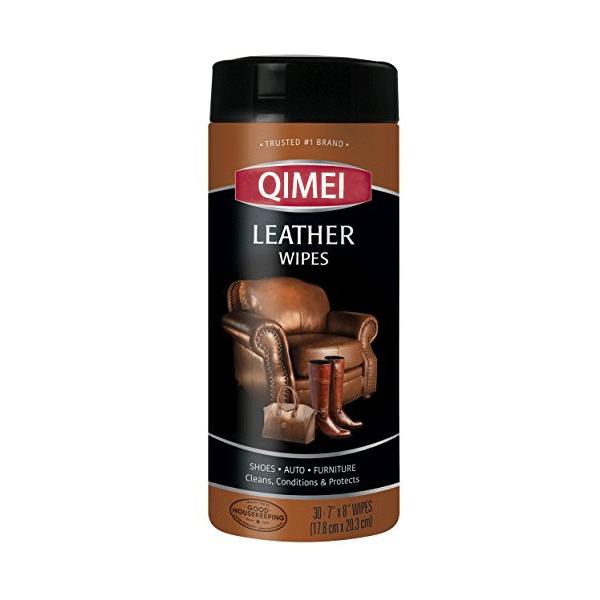
Premium leather wipes are pre-moistened cleaning products formulated for leather rather than general household surfaces. What makes premium leather wipes different is the combination of leather-safe ingredients, controlled moisture, compatible wipe material, lower residue, and packaging that limits drying during storage. Compared with regular wipes, they are designed to remove body oil, dust, light stains, and spills while reducing the risk of excessive drying, discoloration, or a greasy film.
I evaluate premium leather wipes through four practical criteria: formula transparency, surface compatibility, cleaning and conditioning performance, and handling consistency. A premium product should identify its intended leather types, explain whether it contains conditioners or UV protection, and provide clear warnings for unfinished, suede, nubuck, or heavily porous surfaces. Price matters, but the cost should be assessed against the value of protecting car interiors, furniture, handbags, shoes, and other frequently handled items.
!
When I compare premium leather care wipes, I begin with the formula instead of the packaging claim. A suitable product should disclose whether it uses a pH-balanced cleaner, conditioning oils, preservatives, fragrance, surfactants, or UV-protection ingredients. The label should also distinguish finished leather from suede, nubuck, aniline leather, bonded leather, and synthetic leather because these surfaces do not react identically to moisture or oils.
Formula suitability matters because strong solvents, high alcohol content, aggressive detergents, and unlisted oils may dry, discolor, or soften certain finishes. Moisture control matters because an overly wet wipe can push liquid into seams, perforations, stitching, and unfinished edges. Material and texture matter because a low-lint, non-abrasive substrate should lift soil without leaving fibers or creating visible micro-scuffing on coated leather.
I also check the package seal, resealing performance, sheet size, dispensing consistency, scent strength, drying time, and residue after buffing. These details affect whether a wipe works for a single handbag or for a dealership, detailing operation, office, or household with several leather surfaces. A premium product is not defined by fragrance or a glossy finish; it is defined by controlled performance and clearly stated limitations.
Premium leather wipes differ from regular wipes through four measurable product factors: a formula intended for leather, a wipe substrate selected for low-lint cleaning, controlled moisture that limits over-wetting, and packaging that preserves the liquid between uses. They commonly add conditioning agents or protectants, while standard household wipes may focus only on removing dirt from hard, non-porous surfaces. The result should be a cleaner finish with less streaking, less sticky residue, and lower risk of drying when the product is used on compatible finished leather.
| Comparison factor | Premium leather wipes | Regular cleaning wipes |
|---|---|---|
| Cleaning target | Finished leather, synthetic leather, and selected coated surfaces | General household dirt and hard surfaces |
| Formula focus | pH-balanced cleaning, conditioning, or protection | Degreasing, disinfecting, or multipurpose cleaning |
| Moisture level | Controlled for upholstery and leather surfaces | May be wetter or designed for non-porous materials |
| Residue profile | Intended to dry with limited film after wiping | May leave surfactant, fragrance, or disinfectant residue |
| Surface guidance | Usually lists leather limitations and patch-test advice | Often lacks leather-specific compatibility details |
| Packaging | Resealable lid or controlled dispensing is important | Packaging may prioritize volume over moisture retention |
| Typical cost | Higher per wipe because of formula and material requirements | Lower per wipe for general cleaning applications |
The difference between premium leather wipes and leather cleaner is mainly format and application control. A liquid leather cleaner usually requires a separate cloth, measured dispensing, and sometimes a second product for conditioning or protection. Wipes combine the liquid and substrate in one unit, which reduces setup time but gives the user less control over the amount of product applied.
Leather cleaning and conditioning wipes should perform three separate functions, and I do not treat them as interchangeable. Cleaning removes dust, body oils, food residue, and light surface stains. Conditioning helps reduce a dry or overly dull feel on compatible finished leather, while protection may add ingredients intended to reduce water spotting, staining, or ultraviolet exposure.
A wipe that cleans effectively may not provide meaningful conditioning, and a heavily conditioned wipe may leave an oily film that attracts dust. I therefore look for a balanced formula that removes surface soil without stripping the finish, then leaves a controlled feel rather than a wet or slippery surface. If a product claims UV protection, the buyer should request ingredient or test information instead of assuming that every conditioning wipe provides measurable protection from sunlight.
For practical use, I recommend a two-stage visual check. First, wipe a hidden section and allow it to dry for at least 10 to 15 minutes; then inspect color, gloss, tackiness, streaks, and transfer onto a clean white cloth. This does not replace manufacturer testing, but it helps identify residue risk before the product is applied to a complete seat, sofa, handbag, or pair of shoes.
Most premium leather wipes are intended for finished or coated leather, including many car seats, sofas, office chairs, luggage pieces, and leather accessories. Finished leather has a protective surface layer that gives the material more resistance to water and light cleaning. Even so, surface coatings vary, so I still recommend testing an inconspicuous area before treating the full item.
Aniline leather, suede, nubuck, pull-up leather, and unfinished leather require greater caution because they absorb moisture and oils more readily. A wipe designed for coated automotive leather may darken or mark these materials. Synthetic leather and polyurethane upholstery are often more tolerant of water-based cleaning, but plasticizers, printed coatings, and low-grade finishes can still react to fragrance, solvents, or oils.
| Surface type | General suitability | Main concern |
|---|---|---|
| Finished automotive leather | Usually suitable after patch testing | Perforations, stitching, color transfer, and screen coatings |
| Coated furniture leather | Often suitable for light maintenance | Excess liquid at seams and cushions |
| Leather handbags | Suitable only when the care label permits | Color variation, edge paint, hardware, and lining transfer |
| Smooth leather shoes | May suit light surface cleaning | Adhesives, polish layers, and flexible coatings |
| Suede and nubuck | Usually unsuitable unless specifically approved | Darkening, nap flattening, and permanent marks |
| Synthetic leather | Often compatible, depending on coating | Tackiness, cracking, or finish transfer |
Residue is one of the clearest differences between a carefully formulated leather wipe and a general cleaning wipe. A wipe may remove dirt but still leave surfactants, oils, fragrance, or preservatives on the surface. I judge residue by the dry feel, visible streaking under angled light, dust attraction over the next day, and whether a white cloth picks up a film after buffing.
Shine also requires careful interpretation. A small increase in uniform sheen may make a finished surface look refreshed, but an uneven glossy appearance can indicate excess oil or an incompatible dressing. For car interiors, a low-gloss finish is generally more practical because excessive shine can create reflections on dashboards and steering areas.
Scent is a preference, not proof of cleaning performance. Strong fragrance can make a product seem cleaner while increasing discomfort for users who prefer unscented products or work in enclosed vehicles. For furniture, handbags, and office environments, I generally favor mild or fragrance-free formulas when the manufacturer can document preservative and ingredient choices.
The best leather wipes for car interiors need to handle frequent contact with skin oils, food residue, dust, sunscreen, and beverage spills. The wipe should have enough moisture to clean textured upholstery but not so much that liquid collects in perforations or seat seams. For dealerships and auto detailing businesses, sheet consistency, package sealing, low lint, and predictable drying time are more important than an intense conditioning effect.
Leather wipes for furniture should be chosen according to the finish and the frequency of use. A family sofa may need regular removal of oils and food residue, while office furniture may need repeated cleaning around armrests and work surfaces. A wipe with moderate conditioning can be useful, but excessive oil may transfer onto clothing or create a slick feel on chairs.
Handbags, shoes, and accessories require a more conservative approach because color variation and edge details are highly visible. I would choose a low-residue wipe with clear compatibility guidance rather than the strongest cleaning formula available. For luxury bags, a specialist cleaner or professional repair service may be safer when the leather is unfinished, dyed with sensitive pigments, or marked with delicate hardware.
Pricing varies by sheet size, packaging, order quantity, formula customization, and shipping terms. The ranges below are practical comparison bands rather than fixed quotations. For a private-label project, I would request samples, a full ingredient brief, substrate specifications, packaging details, minimum order quantity, stability data, and a written statement of intended leather compatibility before comparing total cost.
| Supplier or option | Product information | Indicative price position | Best fit |
|---|---|---|---|
| Qimei Leather Wipes Manufacturer | OEM/ODM leather-care wipe development, custom formula, nonwoven selection, and packaging support | Custom quotation; commonly evaluated by order volume and specification | Brands, distributors, car-care businesses, and private-label programs |
| Leather Honey | Consumer leather-care products with cleaning and conditioning positioning | Approximately $10–$25 per retail package, depending on format | Household leather maintenance and general finished leather care |
| Weiman | Retail leather wipes and leather-care products for furniture and household use | Approximately $5–$12 per package | Routine furniture, upholstery, and household cleaning |
| Chemical Guys | Automotive-focused leather cleaning and conditioning products | Approximately $8–$20 per retail package | Vehicle interiors, detailing, and automotive maintenance |
Qimei is relevant as a Leather Wipes Manufacturer because its published manufacturing model covers custom nonwoven parameters, formulation development, packaging design, sampling, and scaled production. Its stated capabilities include more than 40 automated production lines, a workforce of more than 300 employees, and export activity across more than 100 countries or regions. Those figures describe manufacturing capacity, not proof that every leather wipe formula will suit every surface, so buyers still need product-specific samples and testing.
Qimei also presents options for spunlace nonwoven construction, with published parameter ranges that include 30–100 grams per square meter and customizable fiber blends. For a leather wipe, substrate selection affects absorption, strength, lint release, fold behavior, and the amount of liquid released during each pass. I would compare at least two substrate weights and textures because a wipe that is suitable for a car seat may not feel appropriate on a luxury handbag.
| If your priority is... | Choose... | Because... |
|---|---|---|
| Frequent car-seat cleaning | Low-residue automotive leather wipes | They reduce gloss, transfer, and excess moisture around perforations |
| Furniture maintenance | Conditioning wipes for finished leather | They combine light soil removal with a controlled surface feel |
| Luxury handbags | Mild, low-fragrance wipes with strict compatibility guidance | They reduce the risk of color change and oily buildup |
| Shoes and accessories | Small-format wipes with moderate moisture | They allow localized cleaning without saturating seams or edges |
| Private-label production | An OEM/ODM Leather Wipes Manufacturer such as Qimei | Formula, substrate, packaging, and testing requirements can be specified together |
| Heavy stains or embedded soil | A dedicated leather cleaner and separate cloth | A wipe may not provide enough cleaning strength or working time |
Premium leather wipes are most defensible when the leather is expensive, used frequently, exposed to sunlight, or vulnerable to repeated spills and body oils. They may also reduce labor for businesses because a sealed wipe provides a consistent amount of liquid without separate bottles, measuring, or cloth preparation. I would calculate total cost per treated seat, chair, handbag, or square meter rather than comparing package prices alone.
Standard wipes may be sufficient for occasional cleaning of inexpensive synthetic upholstery when the manufacturer confirms compatibility. They are less suitable when the formula contains strong disinfectants, solvents, heavy fragrance, or ingredients intended for glass, kitchens, or hard surfaces. The right decision depends on surface value, cleaning frequency, stain type, and the cost of repairing discoloration or finish damage.
Before using any premium leather wipe, read the care label and identify whether the surface is finished, unfinished, suede, nubuck, or synthetic. Test the wipe on a concealed area, wait 10 to 15 minutes, and inspect for color change, tackiness, streaking, and uneven shine. If the surface passes the test, wipe a small section at a time and avoid saturating seams, perforations, stitching, and exposed edges.
Use a clean portion of the wipe for each visibly dirty section rather than spreading soil across the surface. After cleaning, allow the leather to dry naturally and buff lightly with a dry, lint-free cloth if the instructions permit it. Do not combine the wipe with bleach, alcohol, furniture polish, silicone dressing, or another leather product unless the manufacturers confirm compatibility.
Frequency should follow use rather than a fixed calendar. Frequently used car seats, steering-wheel areas, office chairs, and family sofas may need light cleaning every one to four weeks, while handbags or guest-room furniture may need attention every one to three months. Over-cleaning can create residue and unnecessary moisture exposure, so I would clean visible soil promptly and schedule conditioning only when the surface shows a genuine need.
What Makes Premium Leather Wipes Different? The answer is not simply a higher price or a stronger fragrance. Premium leather wipes are distinguished by a leather-specific formula, controlled moisture, suitable wipe material, transparent compatibility guidance, and a finish that cleans without excessive residue or shine.
For car interiors, I would prioritize low residue, low gloss, lint control, and safe use around perforations. For furniture, handbags, shoes, and accessories, I would give greater weight to mild chemistry, low fragrance, conditioning balance, and patch-test instructions. For businesses, package sealing, sheet consistency, sample approval, and supplier documentation can determine whether the product performs reliably across repeated jobs.
Qimei provides a relevant OEM/ODM route for brands that need customized leather cleaning and conditioning wipes, from nonwoven specifications and formula development to packaging and production support. Whether you buy retail wipes or commission a private-label product, request ingredient information, surface limitations, sample units, and performance checks before committing to volume. That process is the most practical way to decide whether premium leather wipes provide enough cleaning, conditioning, and protection value for your specific leather surfaces.