

If you got any questions, please do not hesitate to send us a message. We reply within 8 hours !
Don't worry, we hate spam too!



MAKE A BETTER LIFE

Apr 07, 2026
So, what actually defines a high-quality, competitive private label furniture wipes product? Below is a comprehensive breakdown based on buyer behavior, industry standards, and top-ranking market practices.
At its core, a furniture wipe must deliver visible, reliable cleaning results. Buyers and end users expect:
High-performing wipes often include balanced surfactants and anti-static agents that not only clean but also help prevent dust from resettling quickly.
One of the most common concerns (and Google “People Also Ask” questions) is:
“Are furniture wipes safe for all surfaces?”
A strong private label product should be:
Many leading brands position their wipes as multi-surface furniture wipes, which significantly broadens their target market.
The substrate (wipe material) directly impacts user experience and product perception.
Top-performing furniture wipes typically use:
For premium positioning, some brands also explore:
Modern consumers are increasingly ingredient-conscious. A competitive product should feature:
Additionally, avoiding harsh chemicals helps position your brand as safe for home use, especially in households with children or pets.
The furniture wipes market is crowded. To compete, your product needs clear functional advantages:
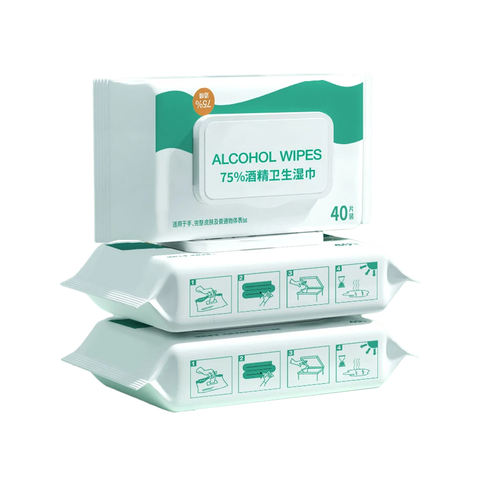
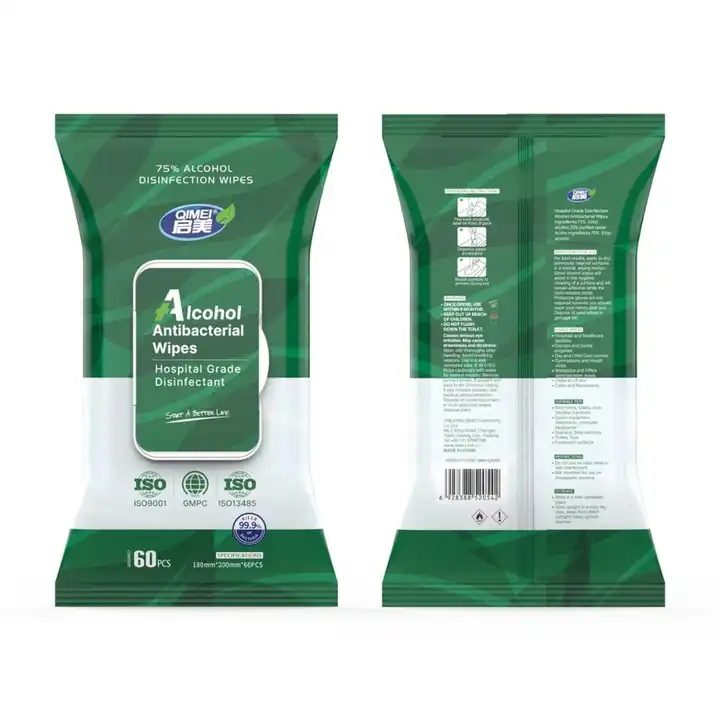
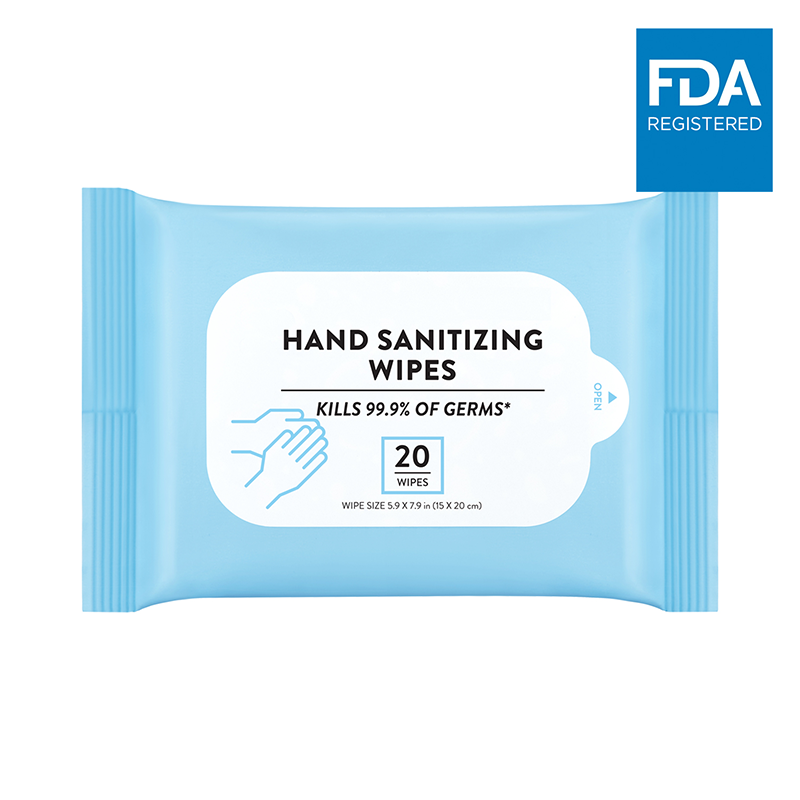
Packaging is not just about storage—it directly affects conversion, especially in retail and e-commerce.
For private label buyers, custom packaging design is a major differentiator in crowded marketplaces like Amazon.
A good manufacturer should offer flexible OEM/private label solutions, including:
This allows brands to create unique SKUs tailored to different markets (retail vs commercial, premium vs budget).
For global distribution, certifications are essential.
Buyers should look for manufacturers with:
This is especially important for entering EU and North American markets.
From a procurement perspective, pricing must align with margins.
Key factors influencing cost:
A good private label product balances:
Competitive pricing
Stable quality
Scalable production capacity
To stay competitive, your product should align with current trends:
Private label brands that adapt to these trends tend to scale faster in both online and offline channels.

A successful private label furniture wipes product is not just about cleaning—it’s about delivering a complete value package:
If you can align your product with these factors, you’ll be well-positioned to compete in a growing and increasingly competitive global market.
Whether you're targeting retail shelves, e-commerce platforms, or commercial cleaning markets, choosing the right manufacturer is key.