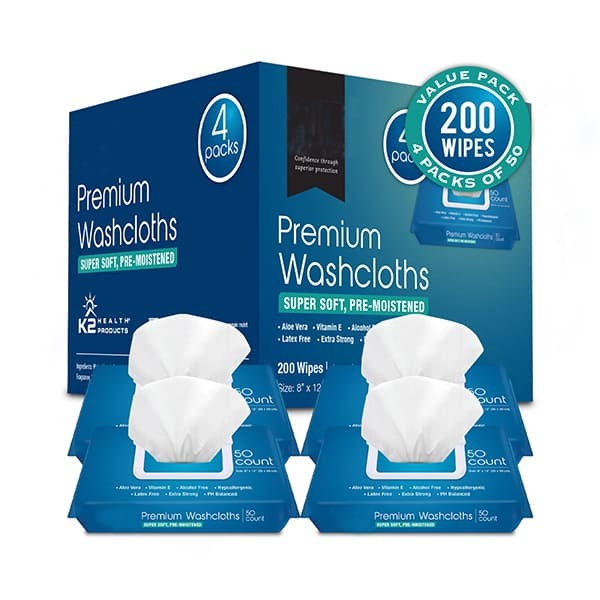
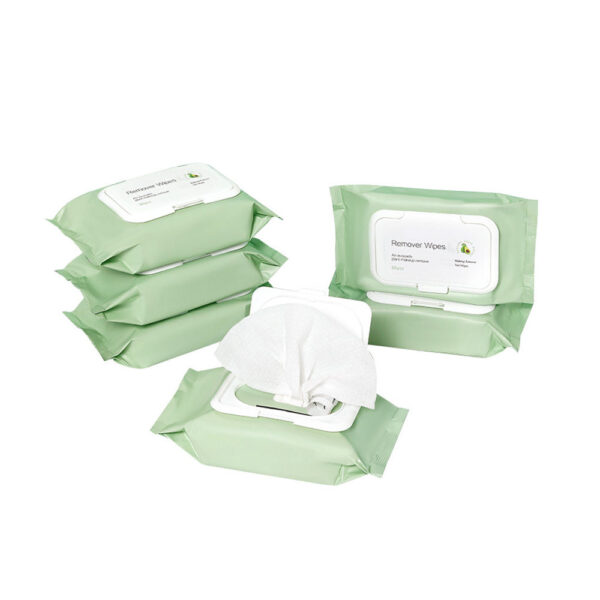
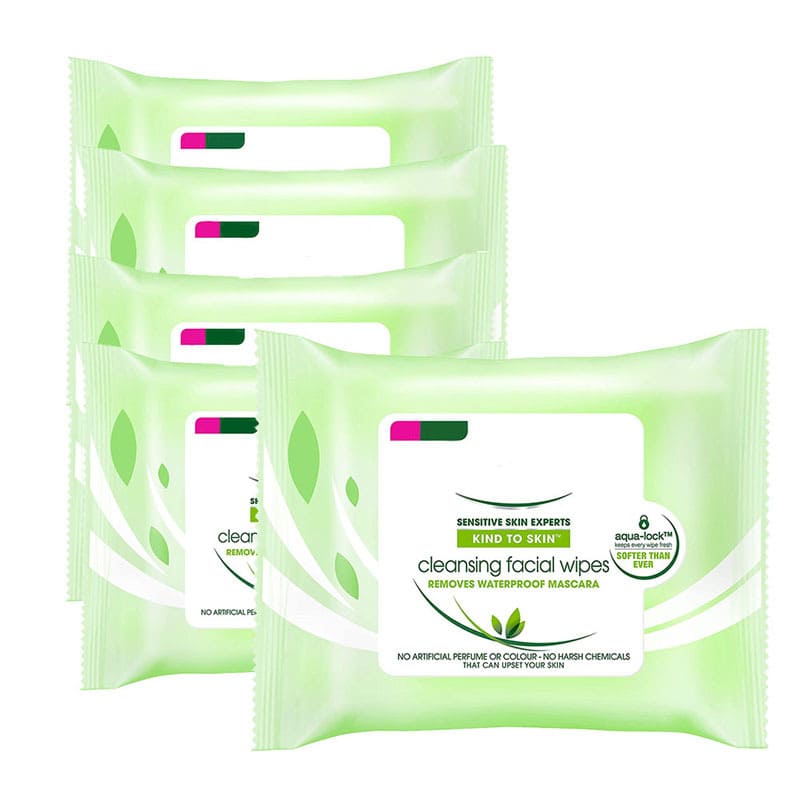
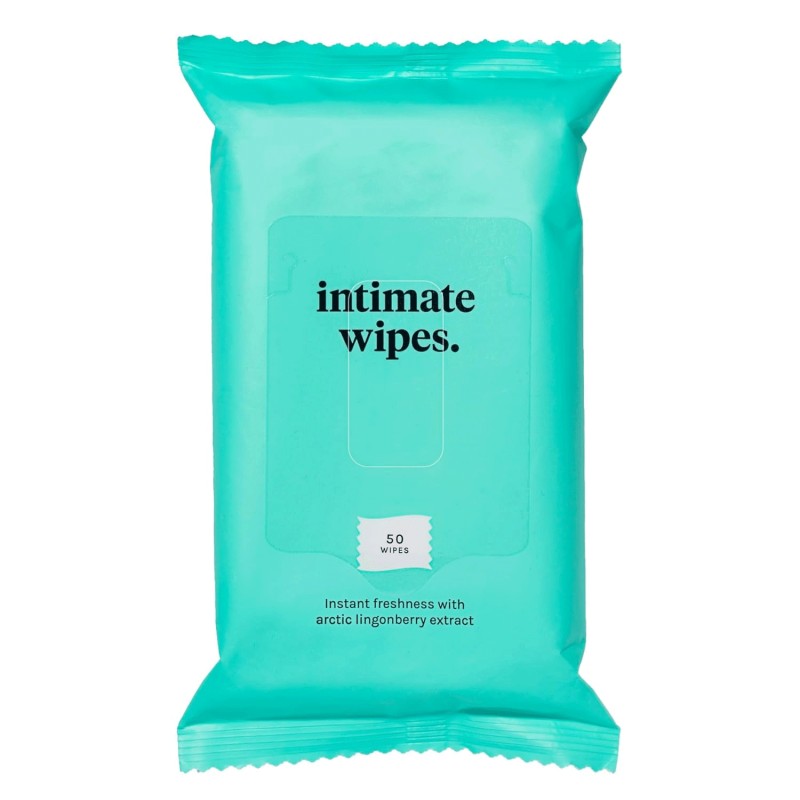


If you got any questions, please do not hesitate to send us a message. We reply within 8 hours !
Don't worry, we hate spam too!



MAKE A BETTER LIFE

Jul 06, 2026
Customer expectations for personal hygiene products have changed dramatically over the past decade. Modern consumers no longer purchase intimate wipes based solely on convenience—they also evaluate ingredient safety, skin compatibility, sustainability, packaging design, fragrance options, and overall brand experience.
For manufacturers, distributors, retailers, and private label brands, improving customer satisfaction means delivering products that consistently exceed these expectations while maintaining excellent quality and regulatory compliance.
This guide explores the key factors that influence customer satisfaction with premium intimate wipes and explains how manufacturers can develop products that encourage repeat purchases, positive reviews, and long-term brand loyalty.
The global personal care wipes market continues to expand as consumers seek convenient hygiene solutions for daily use, travel, work, fitness, pregnancy, menstruation, and postpartum care.
Unlike many disposable hygiene products, intimate wipes are used on highly sensitive skin. Even minor issues such as irritation, unpleasant fragrance, excessive alcohol content, or rough fabric texture can quickly result in negative customer feedback.
Satisfied customers often:
High customer satisfaction directly contributes to stronger brand reputation and increased lifetime customer value.
The most important factor affecting customer satisfaction is the formulation.
Consumers increasingly prefer intimate wipes made with carefully selected ingredients that help maintain natural skin balance while providing effective cleansing.
Premium formulations often include:
These ingredients help soothe sensitive skin while maintaining freshness throughout the day.
Many consumers actively look for products that are free from unnecessary irritants.
Common claims include:
These product claims increase consumer confidence and reduce concerns about irritation.
The intimate area has a naturally acidic environment that helps protect against unwanted bacteria.
Premium intimate wipes are commonly formulated with a balanced pH, typically between 3.8 and 4.5, to support the skin's natural microbiome.
Benefits include:
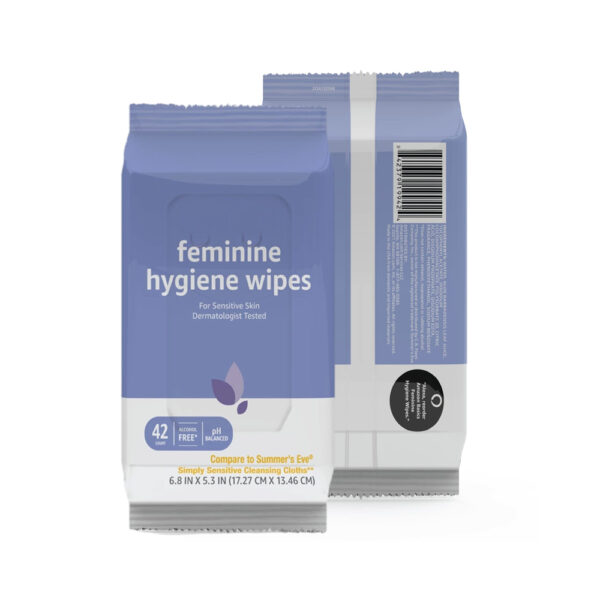
Products designed specifically for feminine hygiene should clearly communicate their pH-balanced formulation.
Customers notice fabric quality immediately after opening the package.
A premium wipe should feel:
Popular materials include:
Offers excellent softness and moisture retention while remaining gentle on delicate skin.
Eco-conscious consumers increasingly prefer biodegradable fibers made from renewable resources.
Provide a luxurious feel while improving skin comfort.
Premium fabric quality significantly enhances perceived product value.
Dry wipes create poor user experiences.
An ideal intimate wipe should remain adequately moist from the first sheet to the last.
Manufacturers improve moisture retention through:
Customers appreciate products that maintain freshness throughout the package's lifespan.
Fragrance preference varies widely among consumers.
Successful brands typically provide multiple options, including:
Ideal for:
Popular fragrances include:
Avoid overpowering perfumes that may cause discomfort or irritation.
Consumers increasingly seek reassurance that products are safe for regular use.
Manufacturers can build trust through:
Third-party testing strengthens product credibility and improves customer confidence.
Packaging plays a major role in customer satisfaction.
Premium packaging should be:
Popular packaging options include:
Convenient packaging improves everyday usability.
Environmental awareness continues to influence purchasing decisions.
Many consumers now prefer intimate wipes that are:
Eco-friendly packaging also increases brand appeal.
Examples include:
Sustainability initiatives often improve both customer satisfaction and brand image.
Customers appreciate transparent labeling.
Important information should include:
Additional certifications may include:
Transparent communication helps customers make informed purchasing decisions.
Private label brands can significantly improve customer satisfaction by offering products tailored to specific market needs.
Customization options include:
Develop unique formulations with:
Choose from:
Options include:
Offer regional fragrance preferences for different target markets.
Customized products often generate higher customer satisfaction because they better match consumer expectations.
Product consistency is essential for long-term customer loyalty.
Reliable manufacturers implement strict quality control procedures throughout production.
Key quality control measures include:
Consistency ensures every package delivers the same premium experience.
Customer feedback provides valuable insights for continuous product improvement.
Effective methods include:
Common improvement opportunities include:
Brands that respond quickly to customer feedback typically achieve higher satisfaction and retention.
| Feature | Customer Benefit |
|---|---|
| pH-balanced formula | Supports natural skin balance |
| Alcohol-free | Minimizes irritation |
| Soft spunlace fabric | Comfortable cleansing |
| Aloe vera | Soothes sensitive skin |
| Dermatologically tested | Greater confidence |
| Biodegradable materials | Environmentally responsible choice |
| Resealable packaging | Maintains freshness |
| Travel-friendly size | Convenient for daily use |
| Fragrance-free option | Suitable for sensitive users |
| OEM customization | Meets diverse market demands |
To build lasting customer loyalty, brands should focus on delivering a consistently premium experience:
A customer-centric approach helps brands differentiate themselves in a competitive market while increasing repeat purchases and positive word-of-mouth.
High-quality intimate wipes formulated with gentle, pH-balanced ingredients and tested for skin compatibility are generally designed for everyday use. Users should always follow the manufacturer's directions and discontinue use if irritation occurs.
Many consumers prefer products that are free from alcohol, parabens, harsh soaps, artificial dyes, and other ingredients that may increase the risk of irritation. Ingredient preferences can vary by market and individual sensitivity.
A pH-balanced formula helps support the natural environment of the intimate area, promoting comfort and reducing the likelihood of irritation associated with products that are not formulated for sensitive skin.
Yes. Experienced OEM manufacturers commonly offer customization of formulas, nonwoven materials, fragrances, packaging, sheet sizes, and branding to meet different market and customer requirements.
Manufacturers can improve satisfaction by using premium ingredients, ensuring consistent quality control, selecting soft nonwoven fabrics, offering sustainable packaging, providing transparent labeling, and continuously refining products based on customer feedback.
Customer satisfaction with premium intimate wipes depends on far more than effective cleansing. Today's consumers expect gentle, pH-balanced formulations, soft and durable materials, reliable moisture retention, convenient packaging, transparent labeling, and environmentally responsible choices.
For OEM manufacturers and private label brands, prioritizing product quality, safety testing, customization, and continuous innovation is the most effective way to build trust, strengthen brand loyalty, and succeed in the growing personal hygiene market. By consistently meeting evolving consumer expectations, businesses can create premium intimate wipes that deliver both superior user experiences and long-term commercial value.