



If you got any questions, please do not hesitate to send us a message. We reply within 8 hours !
Don't worry, we hate spam too!



MAKE A BETTER LIFE

May 26, 2026
Leather products add a premium look and feel to cars, furniture, handbags, office seating, and commercial interiors. However, maintaining leather properly is essential to preserve its appearance, softness, and durability. One of the most common questions buyers and end users ask is:
The answer depends on the type of leather, usage frequency, environmental conditions, and the quality of the leather wipes themselves. In this guide, we will explore the ideal cleaning schedule, best practices, and key factors businesses and consumers should consider when using leather wipes.
Leather is a natural material that can absorb oils, dust, sweat, moisture, and everyday contaminants. Without proper maintenance, leather surfaces may become:
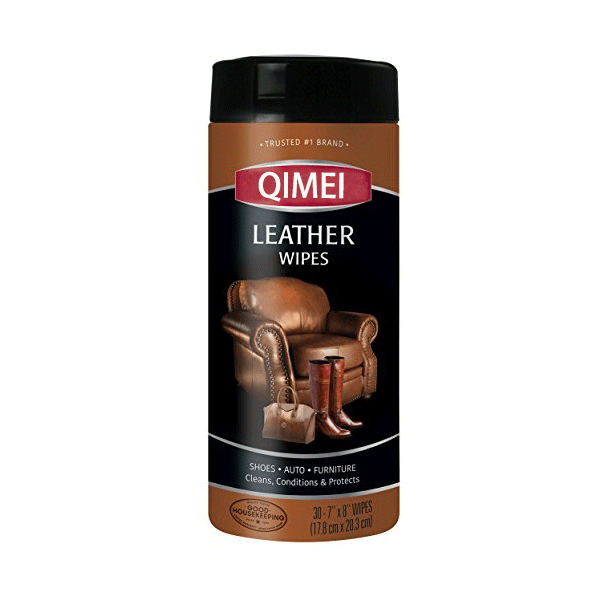
Using high-quality leather wipes regularly helps maintain the leather’s natural texture while protecting its finish and extending product lifespan.
For commercial buyers such as automotive detailers, hotels, furniture distributors, airlines, and leather goods retailers, proper leather maintenance also improves customer satisfaction and reduces replacement costs.
Leather surfaces exposed to heavy daily contact should be cleaned more frequently.
2–3 times per week
These surfaces collect body oils, dust, and bacteria quickly. Frequent use of leather wipes keeps them clean and presentable without damaging the leather.
Leather sofas and recliners used in homes generally require less maintenance.
Once every 1–2 weeks
Regular wiping removes surface dust and prevents dirt buildup that may damage the leather over time.
For homes with:
More frequent cleaning may be necessary.
Luxury leather products require gentle but consistent care.
Once per week or after visible dirt exposure
Using alcohol-free leather wipes helps protect delicate finishes and prevents drying.
Hotels, airports, cinemas, lounges, and offices often have strict appearance standards.
Daily or every shift
Commercial environments experience high traffic, making leather wipes an efficient solution for quick maintenance.
Benefits include:
Different leather materials require different care routines.
Needs gentle cleaning and conditioning to prevent cracking.
More resistant to moisture but still benefits from regular wiping.
Requires extra care because it absorbs stains easily.
Leather exposed to harsh conditions needs more attention.
Leather can dry out faster and may require conditioning wipes.
Frequent cleaning helps prevent mold and odor buildup.
UV exposure accelerates fading and surface damage.
High-contact surfaces naturally require more maintenance.
For example:
Need more frequent leather wipe usage compared to residential furniture.
Instead of relying only on a fixed schedule, users should watch for warning signs.
Leather wipes provide a quick and convenient solution before deeper damage occurs.
Routine cleaning prevents dirt particles from breaking down leather fibers.
Leather wipes help preserve:
This is especially important for premium automotive and furniture applications.
Antibacterial leather wipes help remove germs and contaminants from frequently touched surfaces.
Popular in:
Preventive care reduces:
For businesses managing large inventories of leather furniture or vehicle fleets, this creates long-term savings.
Even the best leather wipes should be used properly for optimal results.
Always test on a small hidden area before full application.
Avoid excessive rubbing that may wear down protective coatings.
Leather should not become excessively wet.
For genuine leather, occasional conditioning helps maintain flexibility.
Not all leather wipes deliver the same performance. Buyers should look for products with the following features:
Helps prevent leather drying and cracking.
Protects natural leather finishes.
Avoids scratching delicate surfaces.
Keeps leather soft and smooth.
Supports eco-friendly cleaning solutions.
Leather wipes are widely used across many industries.
For dashboards, seats, steering wheels, and door panels.
For leather sofas, chairs, and recliners.
For hotel furniture and lounge seating.
For aircraft leather seating maintenance.
For handbags, accessories, and display products.
Many buyers compare leather wipes with liquid leather cleaners.
For routine maintenance, leather wipes are often more practical for both consumers and commercial cleaning teams.
The global leather care market continues to grow as consumers prioritize convenience and hygiene.
Emerging trends include:
Manufacturers that focus on sustainable ingredients and premium formulations are gaining increasing attention from international buyers.

So, how often should leather wipes be used?
For most leather surfaces, regular maintenance every few days to every two weeks is ideal, depending on usage and environmental conditions. Consistent cleaning helps preserve appearance, improve hygiene, and extend leather lifespan.
Whether for automotive interiors, commercial furniture, hospitality seating, or luxury accessories, leather wipes offer a convenient and effective solution for ongoing leather care.
For wholesalers, distributors, and private label buyers, selecting high-quality leather wipes with safe ingredients and reliable performance is essential for meeting market demand and customer expectations.