

If you got any questions, please do not hesitate to send us a message. We reply within 8 hours !
Don't worry, we hate spam too!



MAKE A BETTER LIFE

Nov 18, 2026
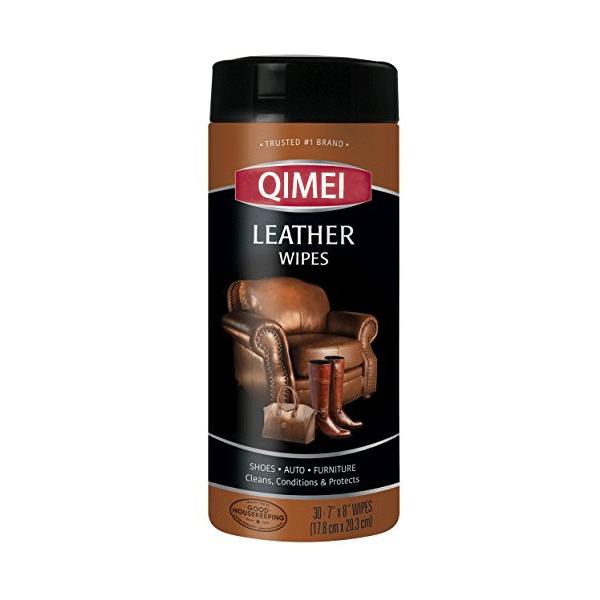
Leather wipes are a fast, leather-safe maintenance tool for removing surface dirt, body oils, food residue, and everyday grime from hospitality furniture. Unlike disinfecting wipes, they are designed primarily for leather care and should not be treated as a substitute for an approved hygiene protocol. Used correctly, leather wipes help hotels, restaurants, cafés, bars, offices, and luxury retail spaces maintain visible cleanliness, seating comfort, staff efficiency, and furniture service life.
In my experience, guests often judge cleanliness through visible and tactile details before they evaluate a venue’s formal hygiene procedures. A sticky armrest, dull lobby chair, stained restaurant booth, or greasy menu cover can reduce confidence even when the rest of the room is orderly. A defined leather cleaning routine gives staff a practical way to address these details before they affect reviews, dwell time, repeat visits, or customer satisfaction.
!
Leather wipes for hospitality are pre-moistened cleaning materials formulated for selected leather, faux leather, or vinyl surfaces. They are intended for controlled removal of surface contaminants such as dust, skin oils, beverage residue, food particles, and light marks. A suitable wipe should leave minimal residue, avoid excessive wetness, and match the material supplier’s care instructions.
They are especially useful for hotel lobby furniture, restaurant booths and bar stools, café seating, executive lounge chairs, concierge counters, leather menus, office reception areas, and luxury retail displays. They are not a universal solution for every upholstery material. Before full use, I recommend testing one hidden area and checking whether the surface is coated leather, aniline leather, polyurethane-coated material, vinyl, or another synthetic finish.
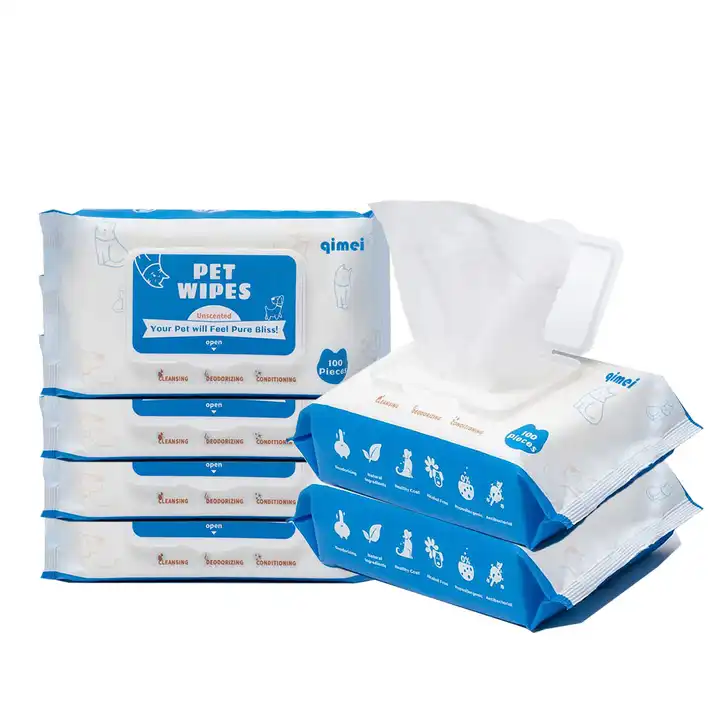
Qimei, a Leather Wipes Manufacturer, supplies leather care wipes within a wider wet-wipes portfolio that includes household cleaning and specialty wipe categories. Its published manufacturing information describes OEM and ODM services, more than 23 years of industry experience, over 40 automated production lines, more than 300 employees, and distribution activity across more than 100 countries and regions. Its listed management and product certifications include ISO 9001, ISO 13485, ISO 22716, BRC, BSCI, FSC, GMPC, EPA, and FDA-related credentials, although hospitality buyers should still request product-specific documentation before approving a formula.
The connection between leather care and customer experience is practical rather than decorative. Guests touch armrests, seat edges, tabletops, menus, reception chairs, and lounge furniture repeatedly during a visit. When those surfaces look clean and feel dry rather than greasy, guests receive a stronger visual signal that the venue is being maintained with care.
Leather wipes also support comfort. Removing accumulated oils and residue helps prevent a tacky surface that can feel unpleasant during extended seating. In restaurants, cafés, bars, and hotel lounges, more comfortable seating may encourage customers to remain longer, order additional items, or consider the venue suitable for another visit, although the effect will vary by service quality, pricing, layout, and guest purpose.
I recommend evaluating the customer-experience effect through four observable indicators: visible soil before and after cleaning, tactile residue, furniture-condition complaints, and guest comments related to cleanliness. A manager can record these indicators weekly for four to eight weeks, comparing areas with a scheduled wipe routine against areas maintained only when visibly dirty. This does not prove that wipes alone create higher satisfaction, but it creates a measurable method for identifying whether cleaner furniture supports the venue’s service standards.
Leather furniture care for hotels and restaurants works best when cleaning is assigned to a specific role instead of being treated as an occasional task. Housekeeping teams may own guest-room and lobby furniture, restaurant supervisors may own booths and bar seating, and facilities teams may handle material approval, stock control, and damage escalation. The responsible person should record the asset, date, product used, visible condition, and any issue requiring repair.
A practical routine separates daily observation from scheduled cleaning. High-touch surfaces should be inspected at least once per operating day, while visibly soiled areas should be cleaned as soon as service conditions allow. Restaurant booths, bar stools, hotel lobby chairs, concierge counters, and shared office seating often require more frequent attention than decorative furniture because they receive repeated contact from hands, clothing, food, and beverages.
| Hospitality asset | Suggested inspection frequency | Cleaning trigger | Escalation point |
|---|---|---|---|
| Hotel lobby seating | Daily | Visible marks, oils, or residue | Cracking, peeling, dye transfer, or odor |
| Restaurant booths | Each service period | Food, beverage, or sticky residue | Deep stain, seam damage, or finish loss |
| Bar stools | Daily and after spills | Grease, drink residue, or heavy contact | Surface tackiness after cleaning |
| Leather menus | Daily | Fingerprints, food marks, or moisture | Warping, delamination, or broken binding |
| Executive lounge furniture | Daily | Dust, oils, or visible marks | Dryness, abrasion, or color change |
| Concierge and reception chairs | Daily | Frequent-contact residue | Structural damage or permanent staining |
To clean a compatible surface, I would first remove loose debris with a dry, soft cloth or according to the furniture supplier’s instructions. I would then wipe a small section using moderate pressure, avoid saturating seams, and use a separate dry cloth if the manufacturer requires residue removal. The surface should be allowed to dry before staff return it to service, particularly when the wipe contains conditioning ingredients.
Hotels and restaurants use leather wipes because they place a ready-to-use maintenance product close to the point of work. A housekeeping attendant can keep a controlled supply on a service cart, while restaurant staff can store a limited quantity in a designated cleaning station. This reduces the steps required compared with locating a bottle, measuring a liquid cleaner, finding a suitable cloth, and disposing of contaminated materials.
Convenience should not replace control. Each venue should specify which wipe is approved for genuine leather, coated leather, faux leather, or vinyl, and which products are prohibited. Staff should also understand that a leather wipe removes surface soil, while a conditioner supports material care and a disinfectant addresses a separate hygiene objective only when the product is approved for that use and compatible with the surface.
When I assess commercial leather cleaning wipes, I focus on material compatibility, residue control, package design, documentation, and supply continuity. A product marketed for automotive interiors may not be suitable for hotel furniture, restaurant booths, or sensitive coated finishes. Hospitality buyers should request a technical data sheet, ingredient or formulation information where available, usage instructions, compatibility guidance, batch information, and samples for an on-site trial.
The following criteria help separate a convenient product from a suitable operational product:
Qimei’s published company information identifies it as a wet-wipes supplier offering customized formulations and packaging through OEM and ODM programs. For a hotel group or restaurant chain, this may support standardized packaging, venue-specific instructions, or separate products for leather care and hygiene cleaning. However, I would still require a material trial, written approval from the furniture supplier when necessary, and a defined acceptance checklist before a bulk purchase.
A complete hospitality leather cleaning SOP should identify who cleans each asset, when the work occurs, which product is approved, and what condition requires escalation. The following sequence can be adapted for hotels, restaurants, cafés, bars, offices, and luxury retail spaces.
Inspect the surface. Check for loose debris, liquid spills, sticky residue, discoloration, peeling, cracks, open seams, or unidentified stains. Do not wipe damaged surfaces aggressively because cleaning may worsen finish loss.
Confirm the material. Review the furniture record, supplier instructions, or material label. If the surface is unknown, test the wipe in a concealed area and wait for the specified drying period before wider use.
Remove loose soil. Use a dry cloth or the approved preparation method to remove crumbs, dust, and abrasive particles. This reduces the chance of dragging grit across the finish.
Wipe in controlled sections. Use light, overlapping passes and avoid soaking seams, perforations, buttons, or stitching. Replace the wipe when it becomes visibly dirty rather than spreading soil to a larger area.
Check the finish. After cleaning, inspect for streaks, tackiness, color transfer, or excessive moisture. Record any abnormal result and remove the asset from routine use if the surface has become unsafe or materially different.
Escalate damage. Permanent stains, cracking, peeling, odor, dye transfer, and structural defects should go to a trained maintenance or upholstery provider. Leather wipes cannot repair damaged coatings or restore missing material.
A supervisor should verify at least five representative assets per area during the first two weeks of implementation. The inspection can use a simple pass-or-rework standard covering visible cleanliness, dry touch, intact finish, correct product, and completed record. This creates a basic quality check without turning routine housekeeping into a lengthy audit.
I would not use alcohol wipes on leather unless the furniture manufacturer and the disinfectant label specifically approve that combination. Alcohol may dry, discolor, weaken, or alter certain leather coatings, dyes, adhesives, and synthetic finishes. It may also create a false sense that a product intended for hard surfaces is appropriate for upholstered furniture.
When disinfection is required, the venue should use an approved disinfectant for the relevant surface and follow its contact time, ventilation, personal protective equipment, and residue-removal instructions. Leather care wipes can support appearance and soil removal, but they do not automatically meet a facility’s infection-control or food-safety requirements. Cleaning and disinfection should therefore be written as separate stages in the SOP.
There is no single frequency for every venue because soil load depends on traffic, food service, climate, seating design, and operating hours. As a starting point, I would inspect high-touch furniture daily, clean visible spills immediately, wipe restaurant booths and bar seating at the end of each service period, and schedule a more detailed condition review weekly. Hotel lobby seating, concierge chairs, and executive lounge furniture commonly need daily attention because they are continuously exposed to guests and luggage.
A venue can refine the schedule by recording the number of visible-soil incidents per asset over two weeks. If a booth produces six soil incidents during ten service periods, a closing-only routine may be insufficient, and a mid-service check may be justified. Conversely, low-contact decorative seating may need inspection rather than daily wet cleaning, which prevents unnecessary product use and surface wear.
Leather wipes provide controlled dosing, portability, and consistent availability, while a bottle of leather cleaner and a separate cloth may offer more flexibility for larger surfaces or periodic deep cleaning. The best choice depends on asset count, staff time, storage, training, and material sensitivity. Wipes are particularly practical for spot cleaning, high-touch points, mobile housekeeping carts, and rapid response to spills.
A liquid cleaner and cloth may be more economical for a large upholstery project when staff can measure the product accurately and launder or dispose of cloths under a defined process. However, inconsistent dilution, over-wetting, cross-contamination, and incorrect cloth selection can create avoidable problems. I recommend using wipes for routine point maintenance and reserving approved liquid systems for scheduled maintenance performed by trained staff.
A simple cost model helps a hospitality business evaluate leather wipe maintenance without making unsupported return-on-investment claims. Calculate monthly wipe cost as the number of wipes used multiplied by the landed cost per wipe, then add labor minutes divided by 60 and multiplied by the loaded hourly wage. Compare that figure with documented upholstery repair, replacement, freight, installation, and downtime costs for the same asset category.
For example, if a venue uses 900 wipes per month at $0.08 each, product cost is $72. If staff spend 18 labor hours monthly at a loaded rate of $20 per hour, labor adds $360, producing a routine maintenance cost of $432 before waste and storage. A manager can compare this with the actual cost of replacing one booth panel or removing ten seats from service for repair, rather than assuming that every cleaning program produces the same financial result.
The model should also include operational disruption. If a damaged seating area removes 12 seats from service for three days, the venue can estimate lost capacity using its average occupied-seat revenue, while clearly labeling the figure as an internal estimate. This approach connects leather care to total cost of ownership without claiming that wipes alone prevent all damage or guarantee repeat business.
How Leather Wipes Improve Customer Experience in Hospitality depends on consistent execution rather than the wipe alone. When approved leather wipes remove oils, spills, dust, and everyday grime from hotel and restaurant furniture, they help maintain a cleaner appearance, more comfortable touch, and more consistent presentation across guest-facing areas. They also give housekeeping, restaurant, and facilities teams a defined response for routine soil before it becomes a visible service issue.
I recommend starting with a 30-day pilot covering one hotel lobby, one restaurant seating zone, or one executive lounge. Record asset type, cleaning frequency, wipe usage, visible condition, tactile residue, repair escalation, and customer complaints before and after implementation. Then adjust the schedule by traffic level, keep disinfection as a separate approved process, and review supplier documentation before standardizing the program across multiple locations.
For hospitality businesses evaluating a Leather Wipes Manufacturer, Qimei can be considered as a supplier option for leather-care wipe development, customized packaging, and wider wet-wipe procurement. The final decision should depend on material compatibility testing, product documentation, usage cost, packaging performance, and the venue’s quality-control requirements rather than on marketing language alone.