



If you got any questions, please do not hesitate to send us a message. We reply within 8 hours !
Don't worry, we hate spam too!



MAKE A BETTER LIFE

Sep 22, 2026
Makeup Remover Wipes can remove foundation, lipstick, sunscreen, and surface oil in seconds, but they do not always replace a traditional facial cleanser. The answer depends on your skin type, the product formula, and how much makeup or sunscreen you wear. People searching for the best makeup remover wipes for sensitive skin should pay close attention to fragrance, alcohol, preservatives, and rubbing. This guide also explains makeup remover wipes vs facial cleanser, including when wipes are useful and when a second cleansing step is safer.
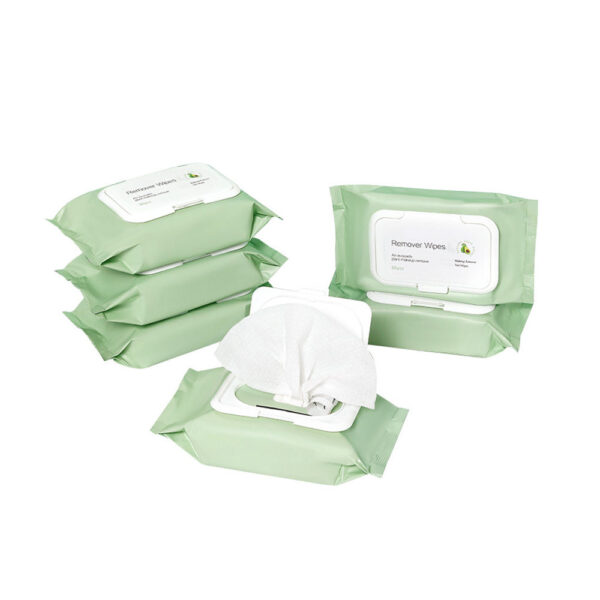
Makeup Remover Wipes are pre-moistened, disposable cloths designed to loosen and lift makeup, sunscreen, sweat, and surface oil from the skin. Most wipes contain water, a cleansing agent, emollients, and preservatives. Some also include ingredients such as glycerin, aloe vera, panthenol, or chamomile extract.
The main cleaning ingredients are usually surfactants. Surfactants reduce the surface tension between oil, water, and the skin. This helps dissolve or suspend makeup so it can be transferred to the cloth. Some products also use micellar technology. Micelles are small groups of surfactant molecules that can trap oil-soluble substances inside a water-based formula.
A wipe does not “wash” the face in the same way as a traditional cleanser and water. Instead, it combines chemical loosening with physical removal. The cloth collects the loosened material, but some cleanser residue, pigment, oil, or sunscreen may remain on the skin.
For light makeup and occasional use, a wipe may be enough as a practical first step. However, it should not be treated as a universal replacement for a facial cleanser. Traditional cleansers are designed to be massaged over the skin and rinsed away, which can remove more residue from the skin surface.
The American Academy of Dermatology Association recommends removing makeup before going to bed and washing the face with a gentle cleanser. It also recommends using fingertips, avoiding harsh scrubbing, and rinsing with lukewarm water. These recommendations support a two-step approach when the skin has a large amount of makeup, sunscreen, or water-resistant products.
| Situation | Are Makeup Remover Wipes enough? | Recommended approach |
|---|---|---|
| Light foundation and powder | Sometimes | Use a wipe gently, then check whether the skin feels clean without tightness or residue. |
| Waterproof mascara or long-wear lipstick | Usually not as a complete method | Use a suitable eye or lip remover, followed by a gentle facial cleanser if needed. |
| Heavy foundation and sunscreen | Not usually | Use the wipe as the first step, then cleanse and rinse the face. |
| After exercise or heavy sweating | Useful for temporary cleaning | Cleanse properly when possible, especially if sweat and sunscreen have built up. |
| Very sensitive or eczema-prone skin | Depends on the formula | Choose a fragrance-free product and stop if stinging, redness, or itching develops. |
Liquid foundation often contains pigments suspended in oils, silicones, or water-based emulsions. A wipe can loosen the top layer, especially when the cloth is well saturated. Full-coverage foundation may require several passes, but repeated rubbing can increase friction and irritation.
Waterproof mascara and eyeliner often contain waxes, film-forming polymers, and oil-soluble pigments. Water-based wipes may struggle with these ingredients. Pressing a wipe against the closed eyelid for several seconds can help soften the product, but pulling or scrubbing the eye area is not recommended.
Long-wear lip products commonly use film-forming ingredients that resist water and transfer. An oil-based or bi-phase remover may work better than a standard wipe. Do not lick or ingest the remaining product, and avoid using a fragranced wipe on cracked lips.
Water-resistant sunscreen is designed to remain on the skin during exposure to water or sweat. A wipe may remove part of the sunscreen film, but a rinse-off cleanser is often more reliable after outdoor activity. This is especially important when sunscreen is combined with makeup, dust, and sweat.
Makeup remover wipes are valuable because they reduce the number of steps needed when water is not available. They are useful in several everyday situations:
For these situations, the main benefit is convenience rather than deeper cleansing. A portable wipe can help a person complete the first part of a routine instead of skipping makeup removal completely.
If you are learning how to use makeup remover wipes without irritation, technique matters as much as the formula.
Stop using the product if you experience burning, swelling, persistent redness, itching, or eye discomfort. If symptoms continue, seek advice from a dermatologist or other qualified healthcare professional.
Look for fragrance-free, alcohol-free formulas with a short ingredient list. Ingredients such as glycerin and panthenol may help reduce the dry feeling caused by cleansing. Even a gentle formula can irritate skin if the cloth is rough or if you rub the same area repeatedly.
Choose wipes with humectants such as glycerin and conditioning ingredients such as lightweight emollients. Avoid products that leave the skin tight after use. Follow with a moisturizer, and use a rinse-off cleanser only when necessary.
Wipes can remove surface oil, but they do not replace an acne treatment. Look for non-comedogenic claims where available, but remember that “non-comedogenic” does not guarantee that every person will tolerate the formula. Avoid heavy rubbing, which may worsen irritation.
Choose a product labeled for eye-area use and follow the instructions. Keep the wipe out of the eye itself. Contact lens wearers should remove lenses before using eye makeup remover unless the product instructions state otherwise.
A simple routine can combine both products without adding unnecessary steps:
This method is often called double cleansing. It does not mean that everyone must cleanse twice every day. It is most useful when removing heavy makeup, long-wear sunscreen, or products that leave a noticeable film. On a makeup-free morning, a gentle cleanser or water rinse may be enough, depending on your skin and professional medical advice.
Daily use may be acceptable for some people if the wipe is gentle, the skin shows no signs of irritation, and the product is used correctly. However, daily use does not automatically mean complete cleansing. If the skin feels tight, dry, itchy, or stinging after use, reduce frequency or switch to a fragrance-free cleansing method.
The American Academy of Dermatology Association advises people with sensitive skin to select products labeled “fragrance-free” rather than “unscented.” “Unscented” products may still contain masking fragrances. People with eczema, rosacea, or a history of contact dermatitis should consider patch testing a new product and asking a dermatologist for personalized guidance.
From a professional skincare perspective, wipes are a convenience tool, not a complete substitute for water-based cleansing in every case. A cleanser and rinse can help remove the substances transferred to the skin by the wipe itself.
From an environmental perspective, disposable wipes use packaging and create solid waste. Where practical, a reusable soft cloth and a rinse-off cleanser may reduce waste. Never flush wipes unless local wastewater guidance specifically confirms that the product is suitable. Even then, placing used wipes in a waste bin is usually the safer choice for plumbing systems.
Makeup Remover Wipes can replace traditional cleansers temporarily when you need a portable and fast way to remove light makeup. They are less suitable as the only cleansing step after heavy makeup, waterproof products, sunscreen, exercise, or exposure to dust and pollution. For a more complete routine, use the wipe first and a gentle rinse-off cleanser second.
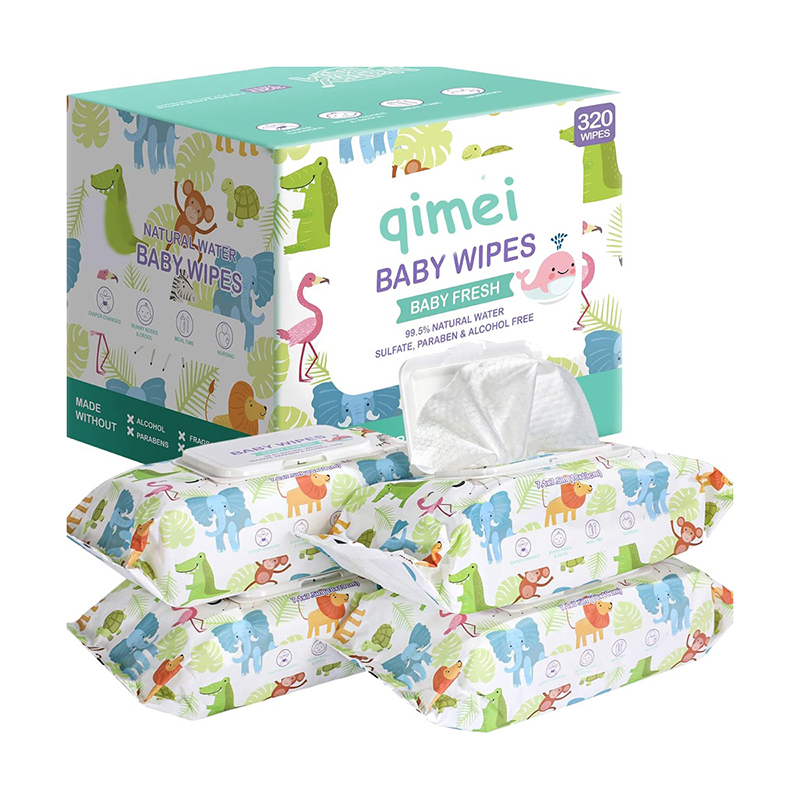
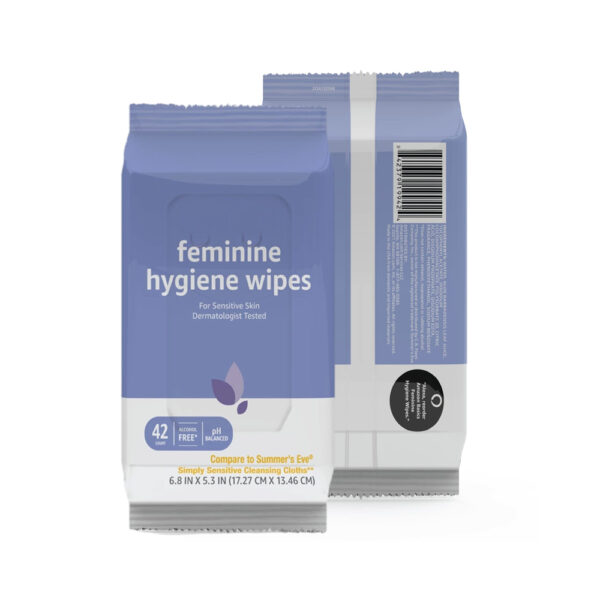
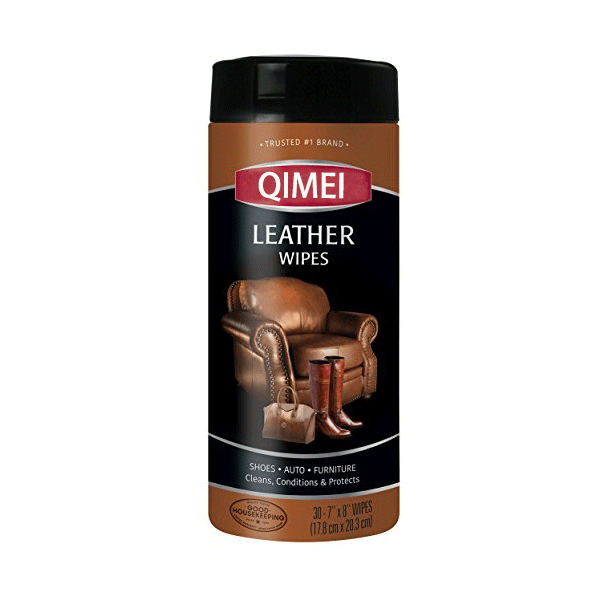
Before buying, check the ingredient list, choose a formula suited to your skin type, and read the product instructions. If you want to compare options or test a convenient daily format, explore Qimei Makeup Remover Wipes and evaluate the formula, cloth texture, packaging seal, and skin response after use. For the best results, combine the right product with gentle technique and a consistent skincare routine.
They can remove much of the surface makeup, but waterproof mascara, long-wear lipstick, full-coverage foundation, and water-resistant sunscreen may require a targeted remover or traditional cleanser.
Not always, but washing is recommended after heavy makeup, sunscreen, sweating, or when the skin feels sticky or coated. A rinse-off cleanser can remove residue left by the wipe.
They can be used by some people with acne-prone skin, especially when labeled non-comedogenic and fragrance-free. Avoid aggressive rubbing, and do not rely on wipes as a treatment for acne.
Only use a product intended for the eye area. Keep the wipe out of the eye, avoid pulling the skin, and stop use if burning or blurred vision occurs.
They may cause dryness when the formula contains irritating ingredients, when the wipe is rough, or when the skin is rubbed repeatedly. Fragrance-free formulas, light pressure, and moisturizer may reduce this risk.
Qimei Makeup Remover Wipes may be useful as a convenient makeup-removal step, but whether you need a traditional cleanser depends on the amount and type of product on your face and your skin’s response. Follow the package directions and use a gentle cleanser when residue remains.
Stop using it, rinse the skin with lukewarm water, and avoid applying additional fragranced products to the affected area. Seek medical advice if swelling, blistering, severe pain, or persistent irritation develops.