

If you got any questions, please do not hesitate to send us a message. We reply within 8 hours !
Don't worry, we hate spam too!



MAKE A BETTER LIFE

Feb 06, 2026
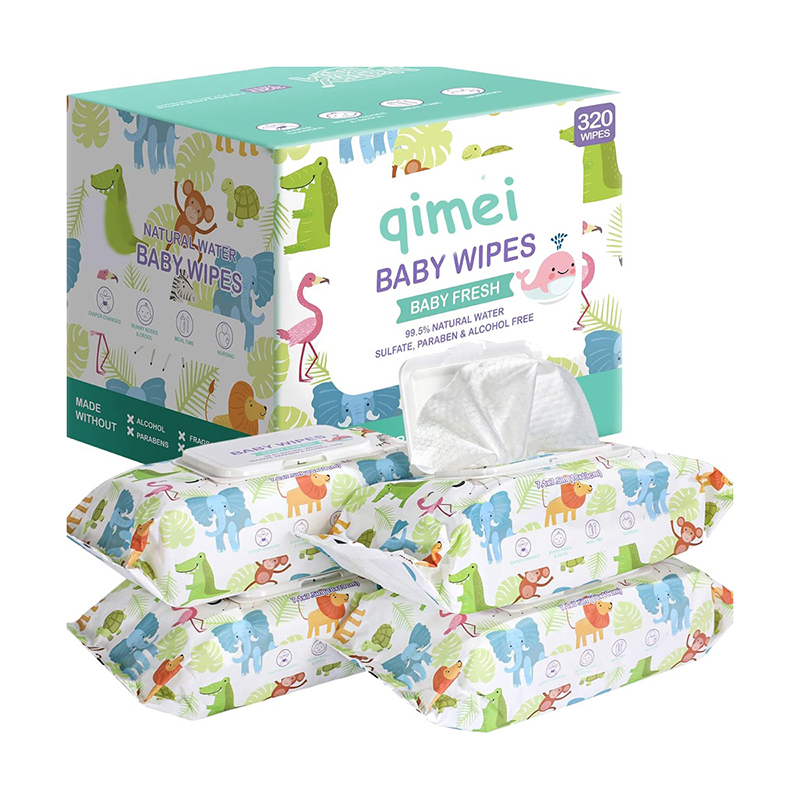
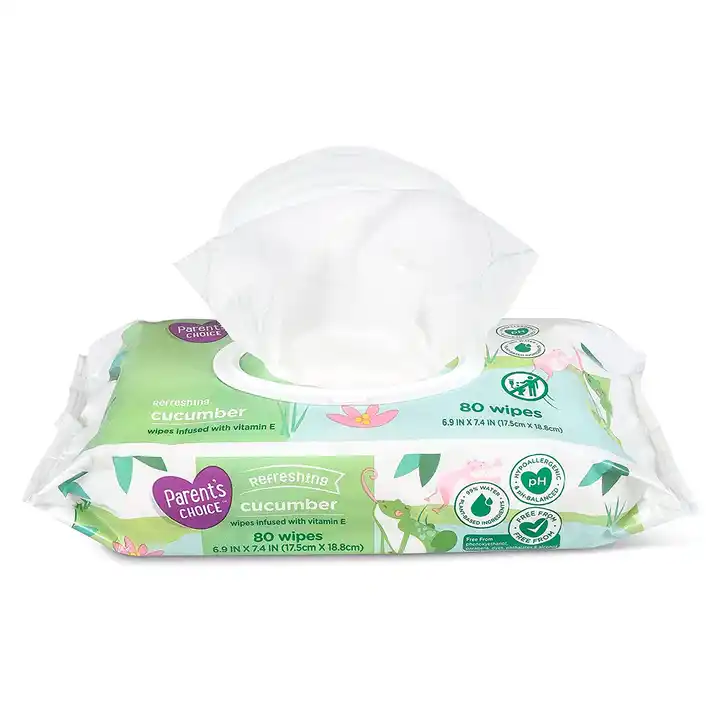
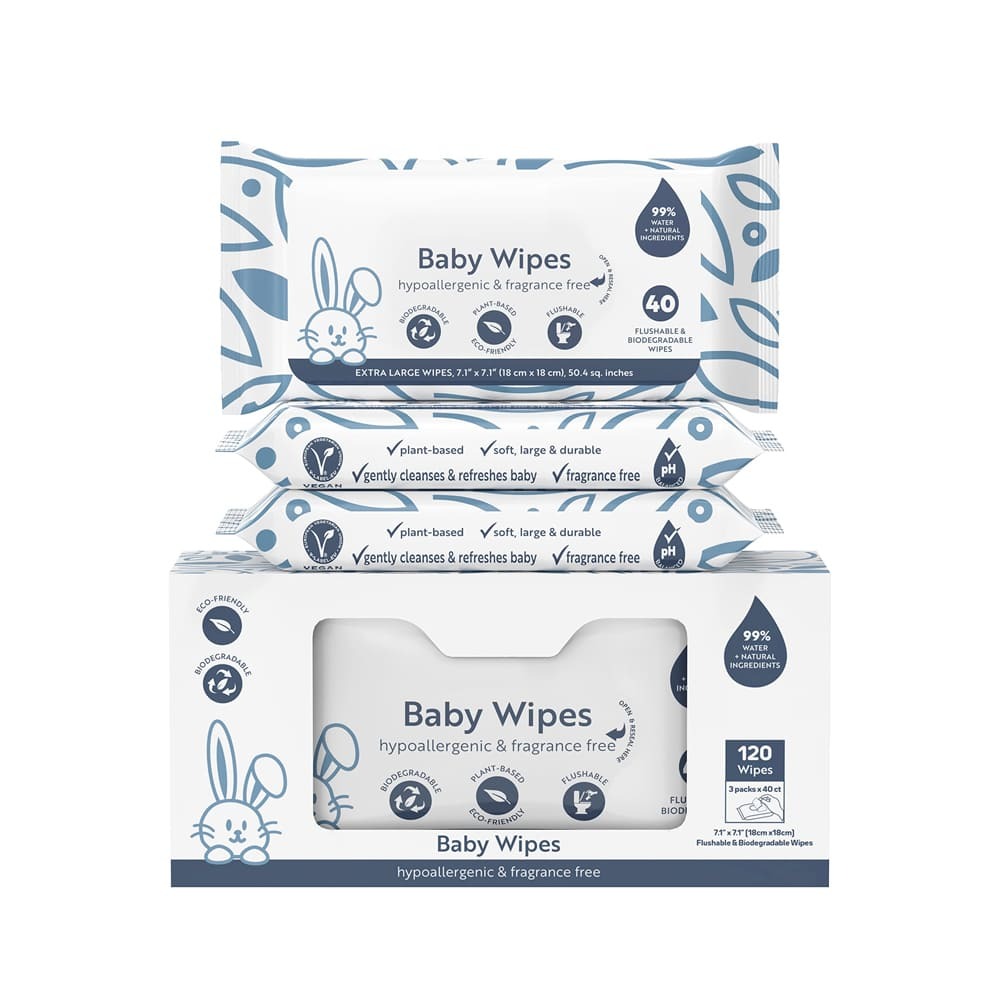
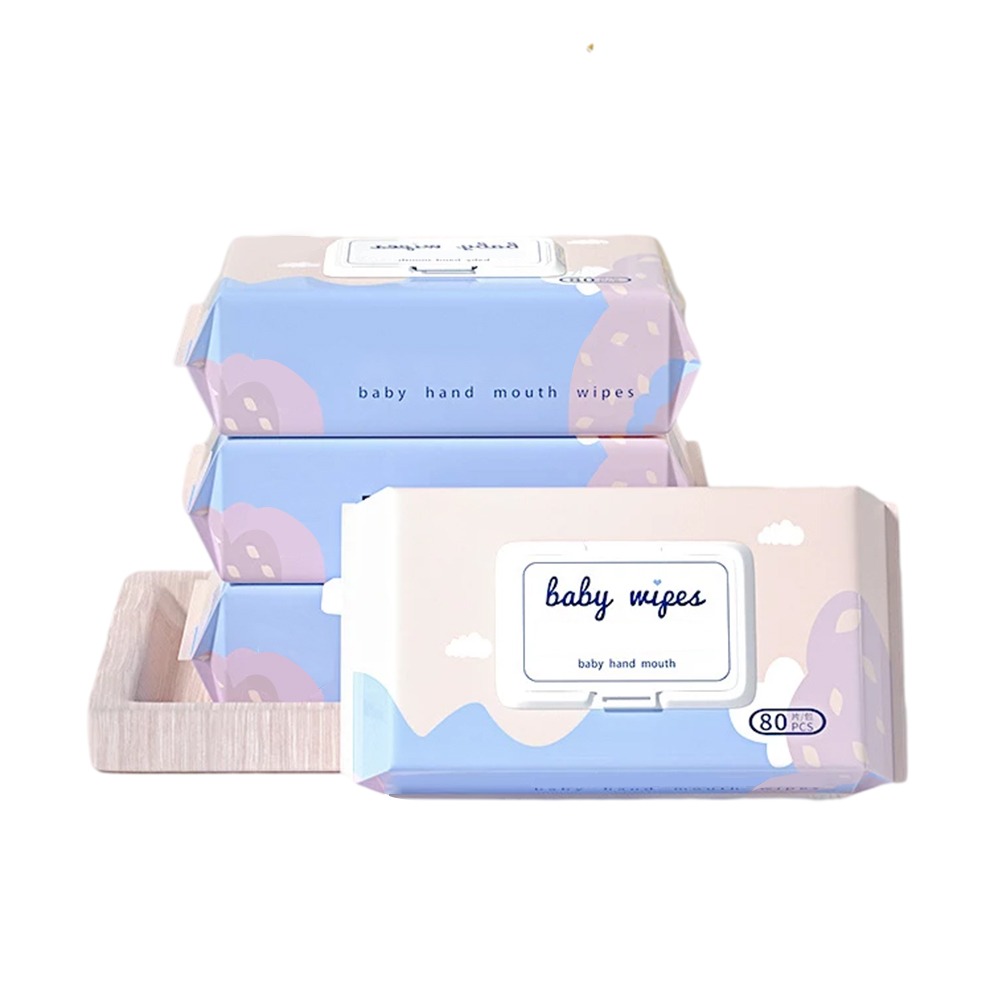
When caring for your precious newborn, every small detail matters — including which wipes you use. So, can newborns safely use baby wipes? The answer is yes, but there are important tips and precautions to follow. Understanding how to choose and use wipes properly will ensure your baby’s skin stays healthy and comfortable.
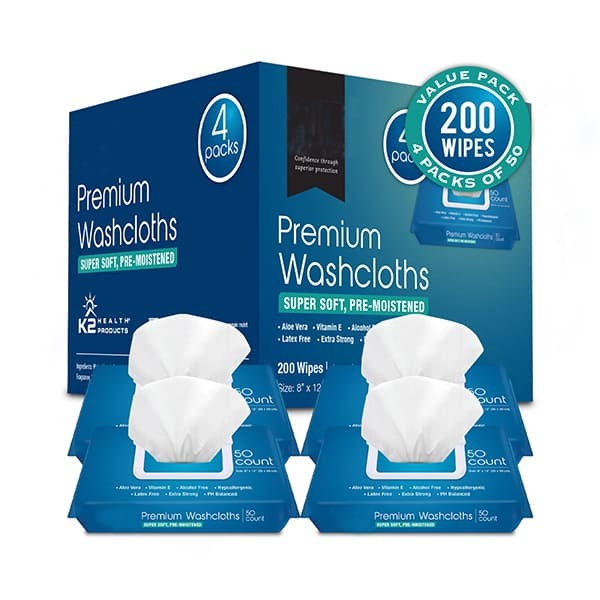
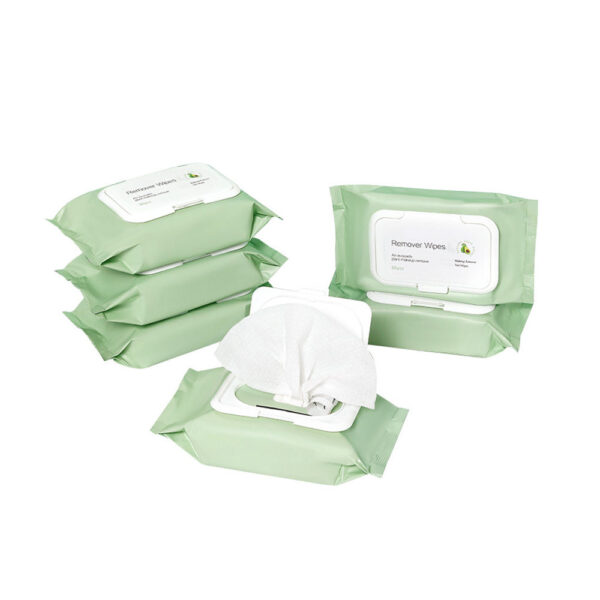
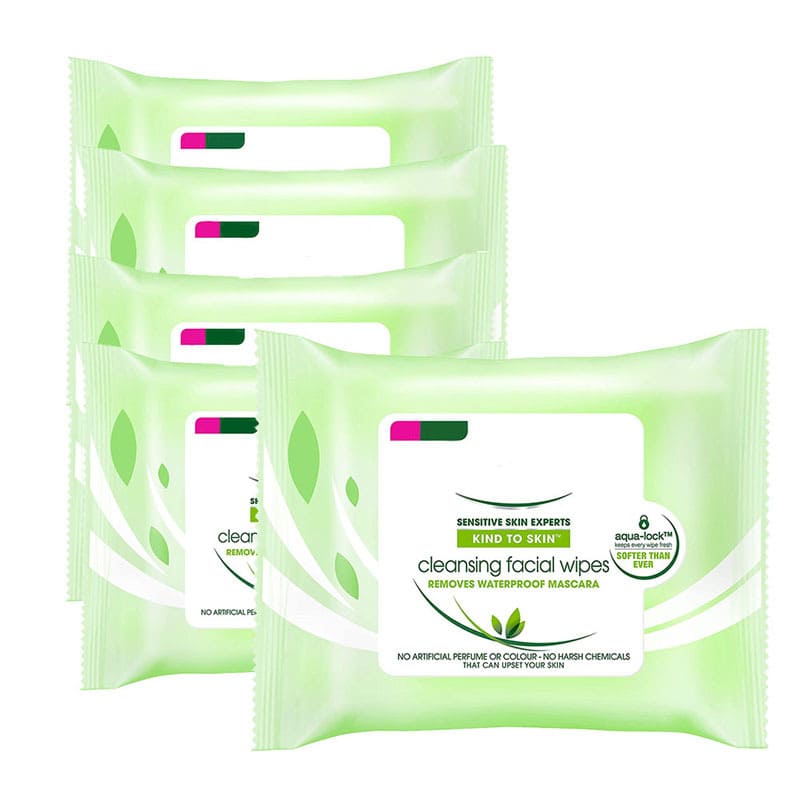
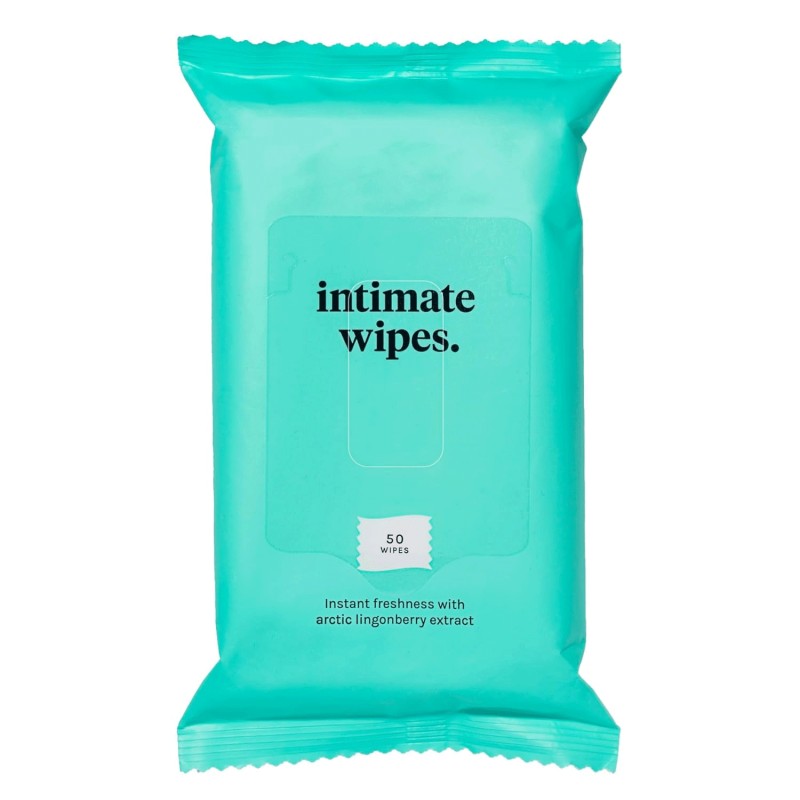
For delicate newborn skin, it is essential to select wipes labeled “gentle” or “sensitive.” These wipes are specifically formulated to minimize contact with harsh chemicals, artificial fragrances, and potential irritants. Choosing the right wipe ensures that your newborn experiences a soft, safe, and comfortable cleaning process.
Although baby wipes have become significantly safer over the years, not all products are made the same. Research published in Pediatric Dermatology notes that “Differences exist in manufacturing processes, ingredients, materials, safety, and quality testing.” This is why it is important to review ingredient lists and understand what each component does, especially for unfamiliar additives or preservatives.
For newborns, wipes that are primarily water-based with mild soothing agents like aloe vera, chamomile, or vitamin E are ideal. These ingredients help reduce irritation, maintain skin hydration, and calm any redness.
Even though baby wipes are convenient, using them excessively can irritate delicate skin. Moderation is key.
For Girls: Always wipe from front to back to prevent bacterial transfer. Use a fresh wipe for each fold between the thighs and the bottom.
For Boys: Start by cleaning the penis first, then move to the testicles. Address the skin folds between the thighs and finish with the bottom using a new wipe.
Once used, wipes should be disposed of in a diaper pail — they should never be flushed, even if the packaging suggests flushability, to avoid plumbing issues.
A helpful tip: With modern superabsorbent diapers, urine often does not contact the skin directly, so wipes are generally needed only after bowel movements. Over-wiping can unnecessarily dry out or irritate your baby’s skin.
In some cases, newborns may develop mild redness or irritation, indicating sensitive skin. In these situations, alternative cleaning methods can be more soothing and protective than commercial wipes.
Recommended alternatives include:
Cotton balls or squares dipped in warm water, which gently cleanse without harsh wiping.
Mild soap and water in a sink or bath, followed by patting the area dry with a soft cloth or towel, then applying a protective diaper ointment if needed.
Allowing the baby’s bottom to air dry for a few minutes to reduce moisture and promote skin healing.
These gentle methods can help prevent or alleviate diaper rash while maintaining proper hygiene. When using alternative methods, minor diaper rash typically improves within 2–3 days, especially when combined with a mild, soothing ointment.
If irritation persists even after switching to alcohol-free, fragrance-free, or hypoallergenic wipes, it is important to consult your pediatrician. They can help determine if your baby has an underlying sensitivity or skin condition, and advise on safe skincare practices. Pediatric guidance is particularly important for newborns, whose skin barrier is still developing.
Yes, newborns can safely use baby wipes — provided you:
Choose gentle, hypoallergenic, and water-based wipes.
Use wipes sparingly and only when necessary.
Monitor the skin for any signs of redness or irritation.
Consider alternative cleaning methods if sensitivity develops.
Every parent has their own approach to newborn hygiene. Some may prefer wipes for convenience, while others may favor water and soft cloths. Both methods are safe when used appropriately. The key is to ensure your baby’s skin remains clean, protected, and comfortable.
Caring for newborn skin is a delicate balance between hygiene and protection. Using the right wipes or gentle alternatives can prevent irritation and promote healthy skin development. Always follow best practices for cleaning, monitor for any signs of discomfort, and consult a pediatrician if needed. By taking these steps, you can provide a safe, comfortable, and soothing experience for your little one.